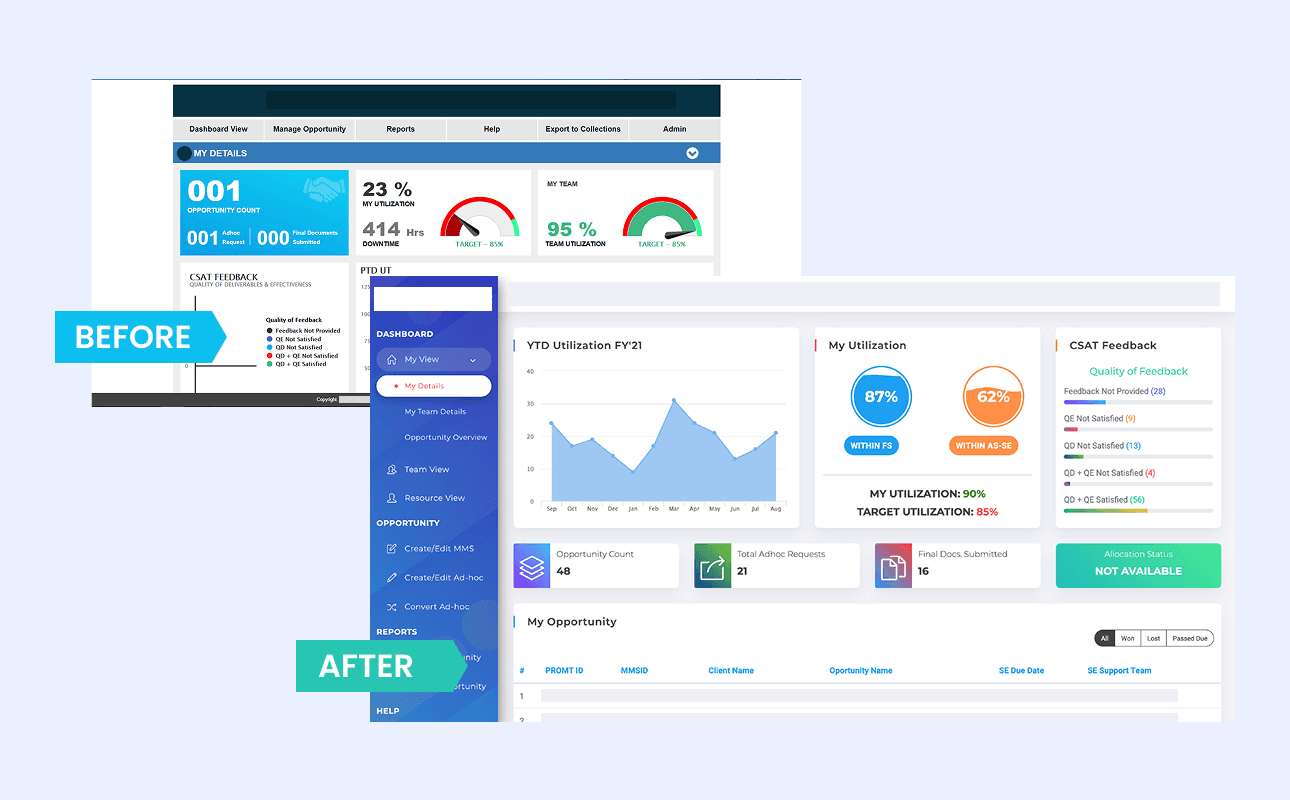
The existing project management systems within the organization were creating communication barriers among team members. These systems lacked an efficient way to share thoughts and ideas easily, leading to ineffective communication. Additionally, they did not encourage real-time collaboration or provide tools for seamless interaction across teams. As a result, the teams faced miscommunication, delays in project timelines, and lower overall productivity.
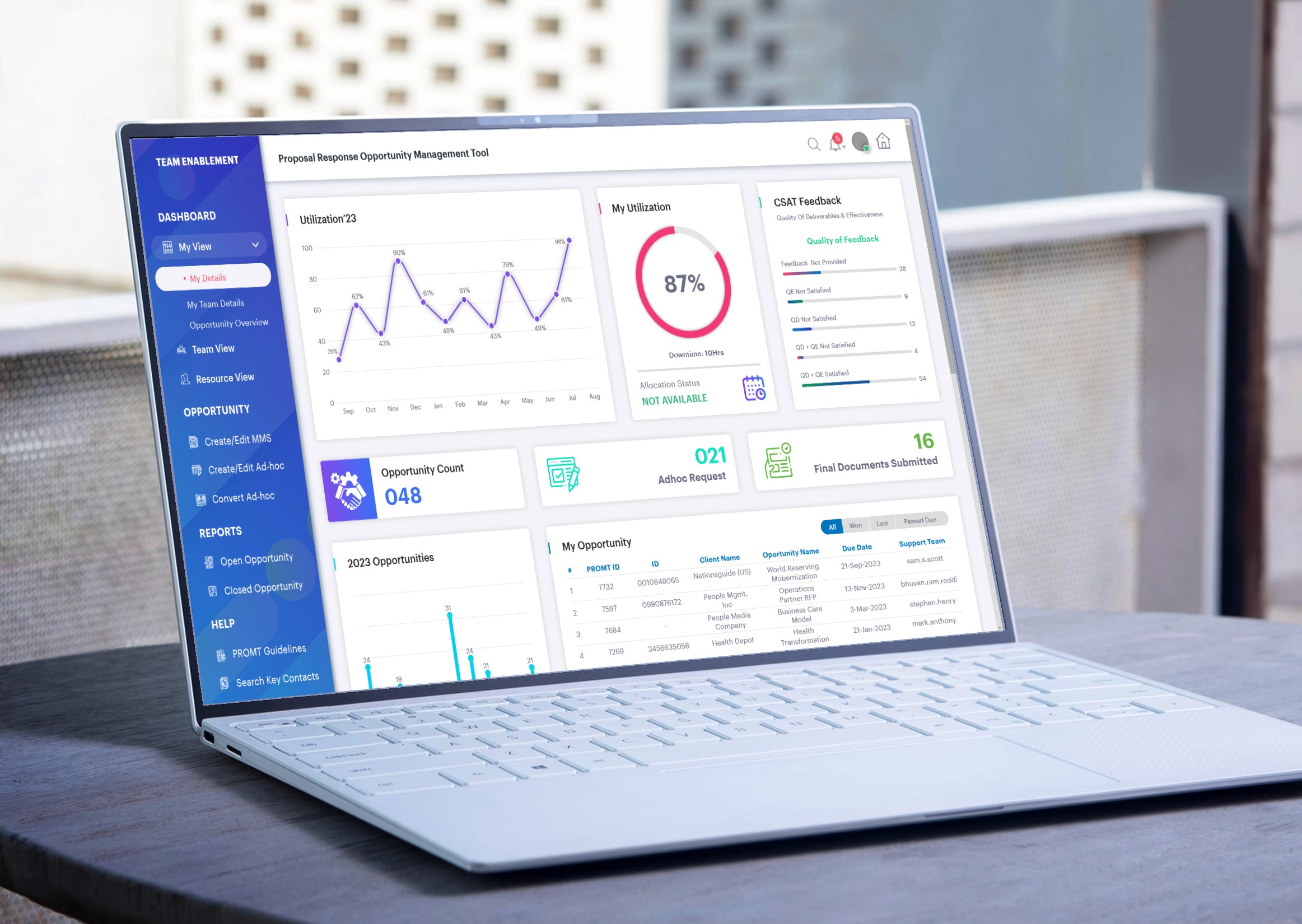
As the UI/UX Designer, I was responsible for identifying the gaps in the existing project management systems and designing a more intuitive and collaborative platform. My role involved working closely with cross-functional teams, including leadership, product managers, and developers, to align the design with both user needs and business goals.
Key responsibilities:
Conducting in-depth user research to understand pain points and gather feedback from both individual contributors and managers.
Designing solutions to improve communication, such as real-time commenting systems and collaboration tools.
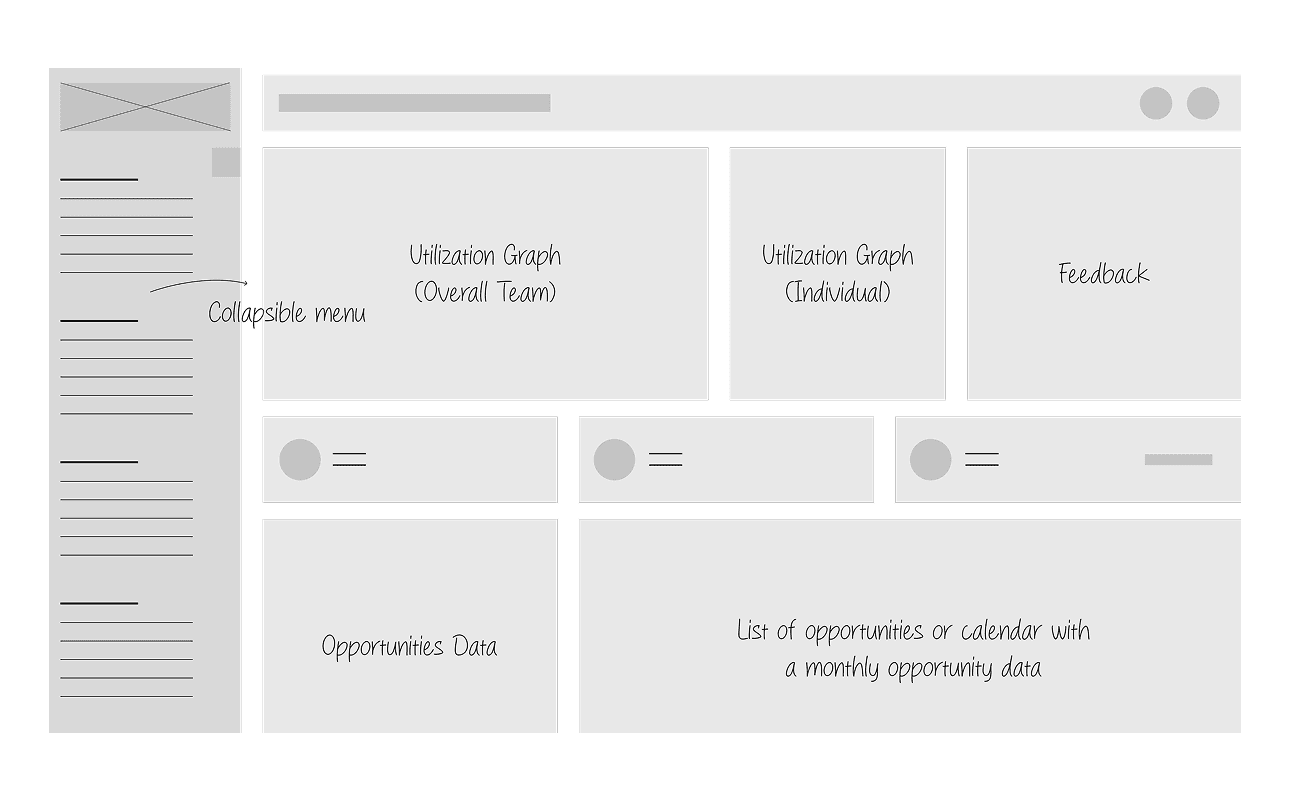
Developing wireframes and prototypes to visualize the new features.
Facilitating discussions with leadership to ensure the design met business objectives and improved productivity.
Iterating on design solutions based on feedback from users and leadership.
Objective:
Improve communication within teams by implementing tools that allow seamless sharing of thoughts, ideas, and project updates.
Design features that encourage real-time collaboration and facilitate transparent workflows across different teams.
Increase productivity by streamlining project management processes and reducing friction in team interactions.
Approach:
Understanding User Pain Points:
Conducted user interviews and surveys with project managers, team members, and leadership to understand their frustrations with the current systems.
Identified key issues, such as fragmented communication channels, lack of real-time collaboration, and the absence of easy access to team thoughts and feedback.
Analyzing Existing Systems:
Analyzed the strengths and weaknesses of the current project management systems in use. I identified that the systems were too focused on task management without prioritizing communication and collaboration.
Mapped out workflows to pinpoint where communication breakdowns occurred and where collaboration could be improved.
Collaboration with Leadership:
Worked closely with leadership to understand their business goals and the desired impact of improving team communication and collaboration. This was crucial to ensuring the design aligned with company objectives.
Discussed key success metrics, such as improvements in project timelines, productivity, and team satisfaction.
Ensured that leadership was involved in the design iterations and feedback loops, so the final design met both user needs and business goals.
Designing Communication Tools:
Created solutions that encouraged seamless communication between team members, such as real-time commenting, direct messaging, and shared brainstorming boards.
Designed collaborative task boards where team members could share updates and feedback instantly, which reduced the friction of waiting for emails or meetings.
Developed features for easy file sharing and feedback collection that could be accessed and commented on by any team member, regardless of role.
Usability Testing & Iteration:
Conducted usability testing with both project managers and team members to ensure the new collaboration tools were intuitive and effective.
Gathered feedback and iterated on the design to ensure the platform encouraged more open communication and faster decision-making.
Key Challenges:
Leadership Buy-in:
One of the initial challenges was getting leadership on board with the idea of changing the project management approach. Many leaders were accustomed to existing systems and were hesitant to introduce new features. I worked closely with them to demonstrate the potential benefits of the proposed changes and how these improvements could ultimately lead to more efficient project delivery.Balancing Simplicity and Functionality:
The challenge was to design communication features that were simple enough to be adopted by all team members while also being robust enough to handle complex project needs. I had to ensure that the new tools didn't overwhelm users, which is a common problem with overly complicated collaboration systems.Resistance to Change:
Some team members were resistant to adopting new systems, especially those who were used to older tools. I designed onboarding flows and provided clear communication about the new features, emphasizing how the changes would improve their daily workflows and productivity.Integration with Existing Tools:
The new communication features needed to be integrated into the existing project management framework. Ensuring that new features worked seamlessly with existing task management and scheduling tools was a technical challenge that required close collaboration with developers.
Outcome:
Successfully introduced a communication system that allowed real-time feedback and discussion, which significantly improved team collaboration.
Leadership noted a marked increase in team engagement and project delivery speed, with clearer and faster decision-making processes.
The new platform helped reduce bottlenecks caused by miscommunication, leading to a 25% improvement in project timelines.
User feedback showed a high level of satisfaction with the ability to easily share ideas, ask questions, and receive immediate feedback, improving overall productivity by 15%.
Tools Used:
Figma (for wireframing, prototyping, and design iterations)
Miro (for brainstorming and team collaboration features)
InVision (for creating interactive prototypes and gathering stakeholder feedback)
Slack (for integrating messaging and communication tools)
JIRA (for project management tool integration)